.webp)






Blogs
Stay updated with our latest blog posts.



Is your heater making strange noises? Learn quick fixes and essential steps to diagnose the issue and ensure your home stays cozy and warm.
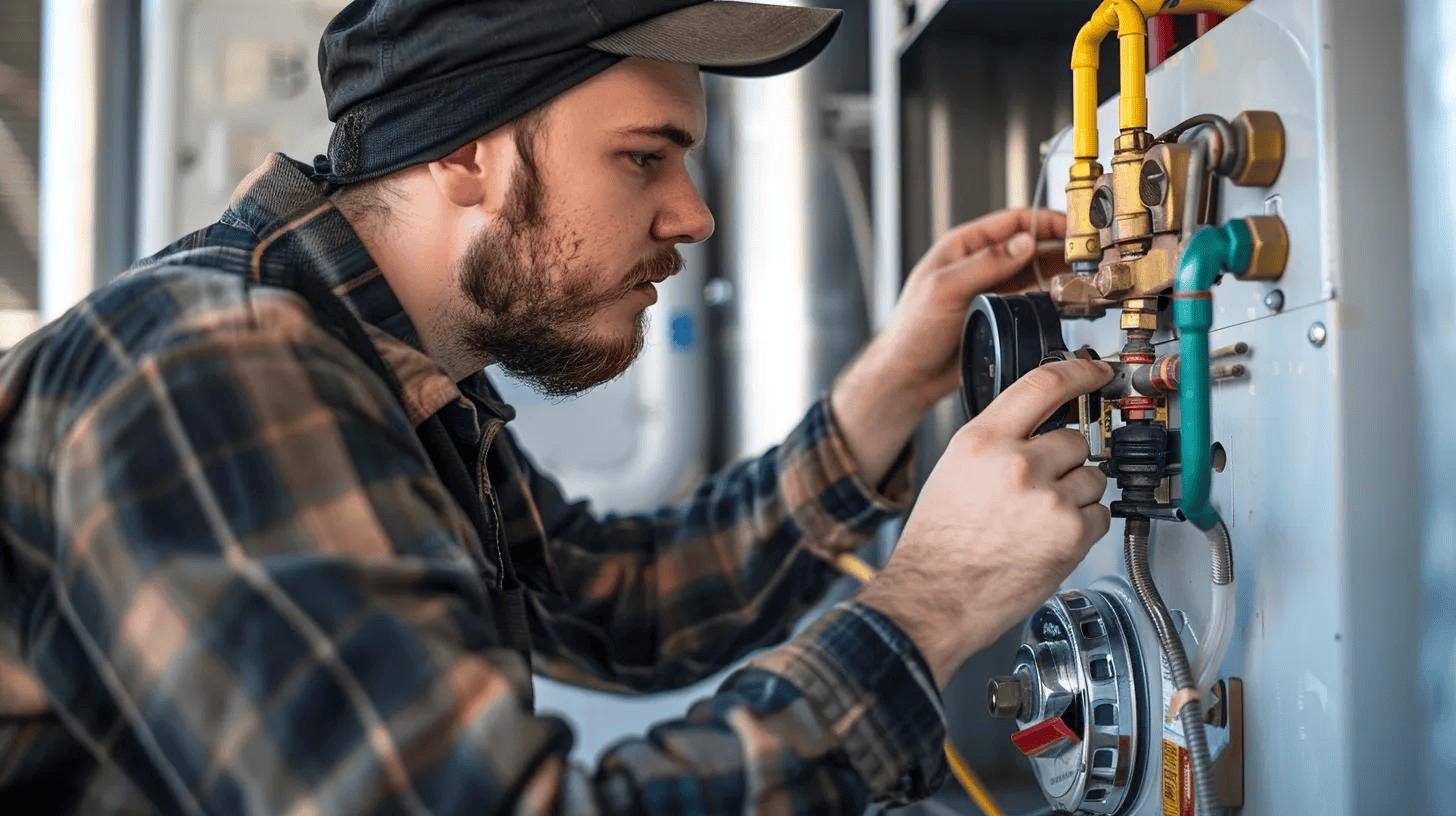




Strange noises from a home heater signal that something in the heating system is not operating as intended, and those sounds can range from harmless settling clicks to dangerous bangs that indicate combustion problems. This guide helps homeowners diagnose common heater sounds, understand the underlying mechanisms producing them, and decide which fixes are safe to attempt versus when professional help is required. You will learn to map noise types—like banging, squealing, rattling, whistling, humming, and clicking—to likely components such as the blower motor, heat exchanger, air filter, ductwork, and ignition system, and you’ll gain practical, prioritized steps to reduce risk, restore comfort, and prevent costly damage. The goal is safety first: reduce immediate hazards through simple actions (power off, ventilate, check filters), use targeted DIY troubleshooting when appropriate, and know exactly when to call a licensed technician. After the troubleshooting sections, this guide covers preventative maintenance schedules, how component-level failures create distinct noises, and what professional services in the Yuma, AZ area offer if you need same-day or emergency help. If you prefer expert assistance rather than a DIY approach, Precision Heating & Cooling LLC provides local HVAC service options and easy scheduling by phone for residents across the Yuma region.
Strange heater noises are identifiable sound patterns that point to different system failures; understanding the likely cause helps prioritize safety and fixes. Mechanically, noises arise from moving parts (blower motor, fan belt), combustion events (delayed ignition), airflow restrictions (dirty filter, closed registers), or duct behavior (expansion, loose seams). Recognizing the sound reduces diagnostic time and prevents escalation to heat exchanger damage, reduced efficiency, or safety risks such as carbon monoxide exposure. Below is a quick-reference table that matches typical noises to probable causes and immediate homeowner actions so you can quickly decide what to try first and what to escalate.
This scannable table provides immediate guidance for homeowners: simple checks and safety thresholds help you avoid aggravating problems, while the “When to Call a Pro” column clarifies urgent scenarios requiring professional diagnosis.
A loud banging or booming noise often results from delayed ignition where unburned gas accumulates and then ignites explosively, or from thermal expansion and contraction in ductwork that produces sharp bangs as metal shifts. Delayed ignition occurs when the ignition system or burners fail to light the fuel promptly; combustion then happens in a concentrated burst that creates a loud sound and stresses the heat exchanger. This is serious because repeated delayed ignition can crack the heat exchanger or allow combustion gases to escape, posing carbon monoxide and fire risks. Immediate homeowner actions include turning the furnace off at the breaker, opening windows to ventilate, and avoiding repeated restart attempts; these steps reduce the chance of further gas accumulation. If banging coincides with any smell of gas, evacuate and contact emergency services before seeking HVAC assistance.
This explanation shows why banging demands caution and often professional intervention: delayed ignition requires burner cleaning, ignition system adjustment, or component replacement to restore safe combustion and protect the heat exchanger.
High-pitched squeals typically originate from moving parts under friction: blower motor bearings that have lost lubrication, a stretched or glazed fan belt slipping on pulleys, or shaft misalignment creating intermittent contact. Bearings degrade over time and produce a metallic, continuous squeal, while belt issues often produce a higher-pitched, intermittent screech that changes with blower speed. Homeowners can safely inspect for obvious belt wear or debris only after powering down and removing power at the breaker; if a belt appears cracked or glazed, replacement is a common fix but may require access and tools some homeowners lack. When lubrication or belt adjustment does not stop the noise, schedule professional service because bearing replacement or motor servicing typically requires motor disassembly and specific parts.
Proper diagnosis prevents further motor damage and restores quiet, efficient airflow.
Efficient DIY diagnosis follows a prioritized checklist: simple, safe actions first, then more invasive checks only if comfortable and qualified. Start with power and safety: turn off power to the furnace before opening panels, check the thermostat and scheduling settings, and inspect easily accessible components like the air filter and visible ducts. Prioritizing checks that remove common causes—dirty filter, loose access panels, debris—often resolves whistling and rattling without tools. The short, numbered checklist below gives the sequence to follow and reduces risk by guiding homeowners through safe steps before attempting any mechanical repairs.
After completing these steps, if the noise persists or if you detect burning smells, gas odors, or irregular combustion, stop DIY attempts and call a licensed technician to avoid safety risks.
Before the practical checks below, this EAV-style table helps determine which components to inspect and what tools you might need for safe homeowner troubleshooting:
This table clarifies which checks are safe and what a homeowner can reasonably do: simple visual inspections and filter swaps are within reach, while deeper motor, combustion, or gas system work should be left to professionals.
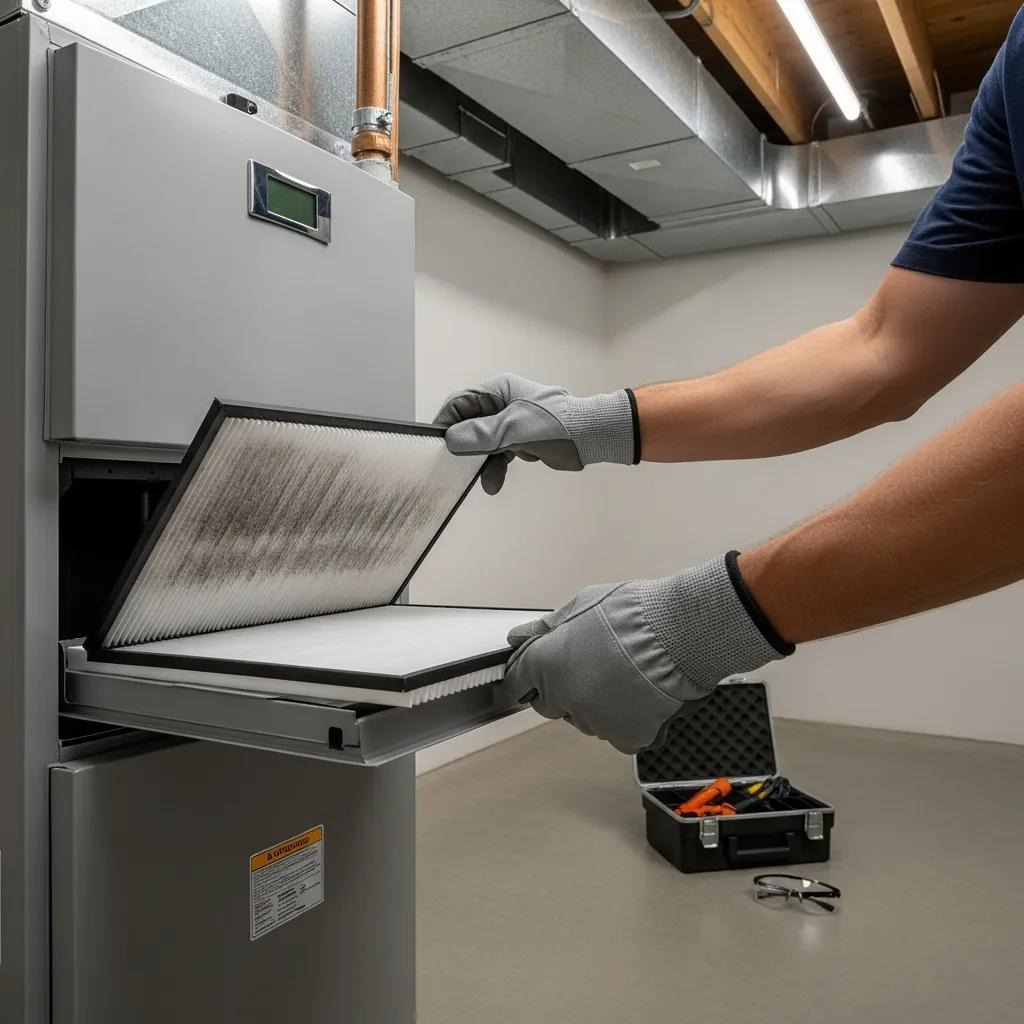
A dirty air filter restricts airflow, increases blower load, and causes whistling or rattling as air finds narrow pathways; replacing a clogged filter often restores normal airflow and reduces noise. To change the filter, turn off the system power, locate the filter in the return grille or furnace cabinet, slide it out along its arrow direction, and inspect for dark clogs or visible dust buildup. If the filter is noticeably dark or light cannot pass through, replace it with the correct size and MERV rating recommended by the furnace manufacturer; install the new filter with the airflow arrow pointing toward the furnace. After replacement, power the system and listen for improvement; persistent noise after correcting the filter suggests additional issues like duct leaks or blower problems and warrants a professional inspection.
Replacing the filter is a low-risk, high-impact action that many homeowners can complete in minutes, and routine filter maintenance reduces wear on blower bearings and maintains efficient, quiet operation.
Loose cabinet panels or foreign debris inside the furnace cabinet frequently cause intermittent rattling and can be resolved with basic tightening and cleaning when done safely. Begin by switching off power to the furnace, then inspect around the blower and cabinet for screws that have backed out, unsecured insulation, or small objects that fell into the access area. Use a screwdriver to snug screws and fasteners (avoid over-tightening), and carefully remove debris from the blower area without touching the wheel or motor shaft.
If rattling persists after tightening and cleaning, document the sound pattern—startup versus continuous—and consider calling a technician because internal mounts or failing components may require specialist repair.
These straightforward steps address a common noise source and help homeowners determine whether the issue is a simple mechanical rattle or a symptom of deeper mechanical failure that needs professional attention.
Certain noises and conditions demand immediate professional attention because they indicate safety hazards or complex mechanical failures beyond safe DIY repair. Persistent loud banging, continuous grinding, burning smells, repeated failed ignition, or any sound accompanied by a gas odor are high-risk scenarios that require a licensed technician to diagnose combustion safety, heat exchanger integrity, and ignition system function. For homeowners in the Yuma, AZ area, professional services that combine safety checks, correct parts replacement, and warranty protection provide peace of mind and reduce downtime; Precision Heating & Cooling LLC offers emergency and same-day service, transparent pricing, and licensed, insured technicians to handle urgent repairs. If you experience any of the urgent signs below, contact professional help rather than attempting further DIY fixes.
This EAV-style scenario table helps you quickly determine risk level and recommended action for common urgent situations:
Use this quick reference to prioritize safety: high-risk scenarios need immediate shutdown and expert attention, while medium-risk items can be scheduled but should not be ignored.
Urgent noises include loud bangs paired with gas odor, continuous metal grinding indicating failing bearings or rotor contact, and any burning or chemical smell during operation; these signals point to immediate safety or equipment-damaging conditions. When these occur, the correct short-term action is to power down the furnace, ventilate the area if safe, and avoid restarting until a professional confirms it is safe. For gas-related signs, evacuate and contact emergency services first, then notify an HVAC emergency provider to evaluate combustion and gas line safety.
Prioritizing swift action around these noises is essential for homeowner safety and to minimize repair costs by preventing secondary damage.
Hiring a professional technician delivers accurate diagnosis, correct parts replacement, thorough safety checks, and documentation that preserves warranty conditions and long-term reliability. Expert repair avoids guesswork—technicians use diagnostic tools to test ignition timing, check combustion, measure airflow, and detect heat exchanger integrity—actions that simple DIY cannot replicate safely.
Same-day or 24/7 emergency service reduces downtime and discomfort during cold periods, and transparent pricing helps homeowners plan repairs without surprise costs.
Precision Heating & Cooling LLC’s local services include licensed, insured technicians, extended warranties, transparent pricing, and same-day or emergency response to restore safe, quiet heating when DIY checks are insufficient. For scheduling, call the local contact number to arrange prompt service by experienced professionals.
Regular preventative maintenance reduces noise, improves efficiency, and extends heater lifespan by addressing wear points before they fail; a well-planned preventive schedule targets filters, lubricated bearings, belt condition, burner cleanliness, and duct sealing. Routine maintenance keeps airflow within design parameters, prevents belt glazing and motor strain that produce squeals, and ensures burners and ignition systems light cleanly to avoid delayed ignition. Below is a practical checklist of preventative tasks homeowners or technicians should follow to maintain quiet operation and energy efficiency across heating seasons.
These maintenance steps collectively reduce noise sources and improve system reliability; consistent application prevents many of the common symptoms described earlier and reduces emergency repairs.
Understanding and addressing strange noises from your heater is crucial for maintaining a safe and efficient home environment. By diagnosing issues early and knowing when to seek professional help, you can prevent costly repairs and ensure your heating system operates smoothly. For expert assistance and same-day service in Yuma, AZ, consider reaching out to Precision Heating & Cooling LLC. Take the first step towards a quieter, more reliable heating system by scheduling your service today.