.webp)






Blogs
Stay updated with our latest blog posts.



Ensure your home stays warm this winter with essential HVAC tips. Learn effective furnace maintenance strategies to increase efficiency and comfort today!




Seasonal furnace maintenance is the practice of performing scheduled inspections, cleaning, and tune-ups on a home heating system to preserve safety, efficiency, and reliability. This guide explains how targeted seasonal steps—like filter replacement, combustion inspection, and thermostat calibration—reduce breakdowns, lower energy use, and protect against hazards such as carbon monoxide exposure for Yuma homeowners. Many households face sudden performance drops when the weather shifts, but proactive care prevents emergency repairs and preserves manufacturer warranties while improving indoor air quality. In the sections that follow you'll find a clear explanation of why seasonal maintenance matters in Yuma's climate, a step-by-step fall checklist to prepare your furnace for cold snaps, practical winter care and troubleshooting tips, off-season spring and summer actions, DIY tasks you can safely handle, and focused safety guidance for carbon monoxide prevention. Throughout the article we weave actionable HVAC tips, filter guidance, and when to call a licensed technician so you can balance do-it-yourself savings with professional protection and warranty-preserving service.
Seasonal furnace maintenance is a proactive program of inspections and preventive tasks designed to keep heating systems operating safely and efficiently across the year. In Yuma's climate, where temperatures can swing and dust levels are often elevated, maintenance ensures combustion components, airflow systems, and safety devices perform as intended. Regular tune-ups reduce failures during peak use, improve heating efficiency, and extend equipment life by addressing wear before it becomes damage. The result is steadier comfort, lower monthly energy use, and a lower risk of safety incidents tied to combustion and carbon monoxide.
This section summarizes the most critical benefits of seasonal maintenance:
Regular maintenance → improves → airflow and combustion efficiency; this simple triple explains why tune-ups deliver measurable savings. The next table compares common maintenance actions to their direct benefits and typical outcomes so you can prioritize tasks.
Different maintenance actions map directly to operational benefits and homeowner outcomes.
This comparison clarifies which actions produce the biggest gains for comfort and safety. Understanding these direct benefits helps homeowners decide when to tackle tasks themselves and when to schedule professional service.
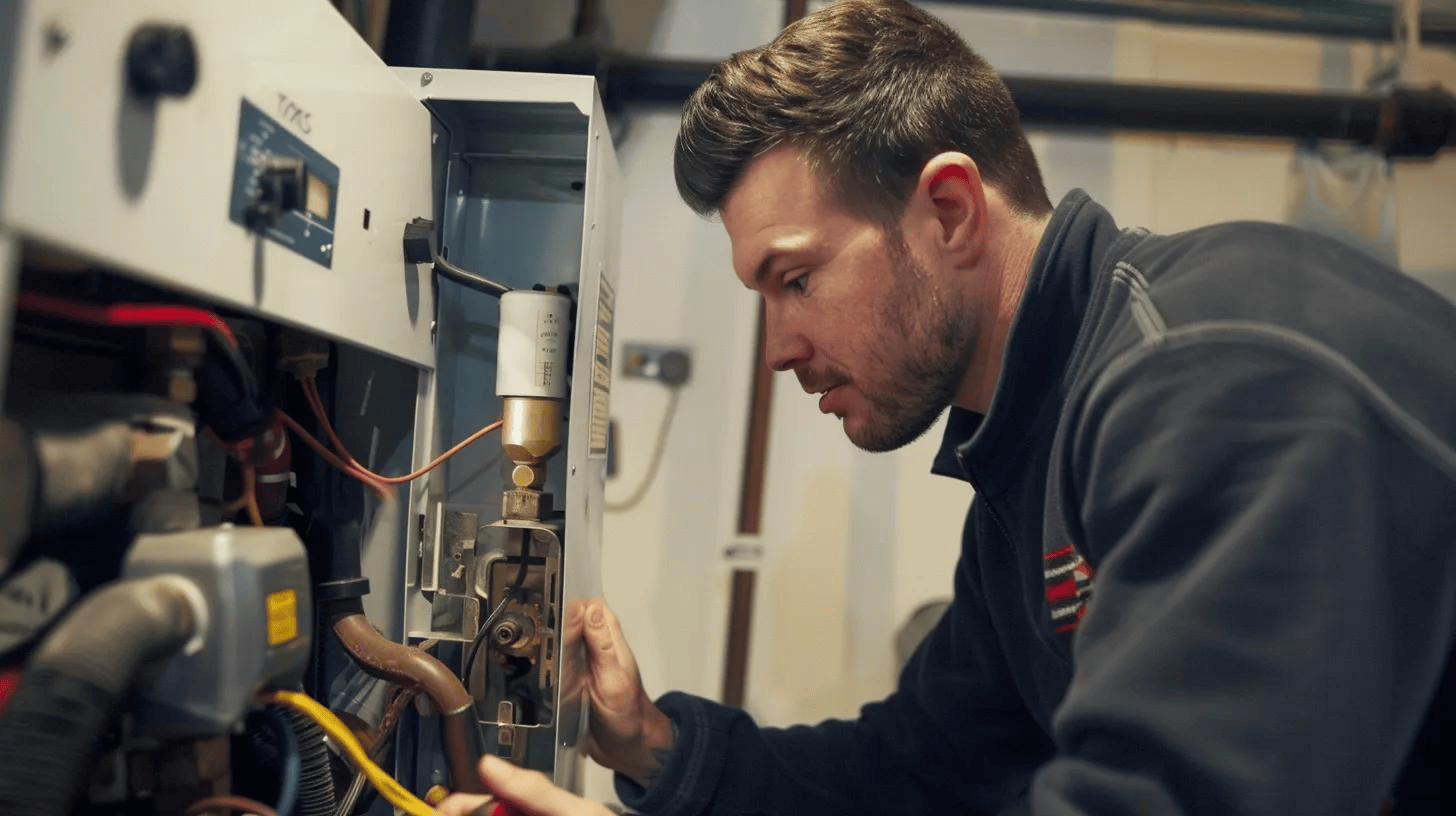
A furnace tune-up is a focused inspection and service visit that cleans burners, checks ignition and controls, inspects the heat exchanger, adjusts airflow, and verifies safety devices. The mechanism is simple: cleaning and calibration remove efficiency-robbing debris and restore designed combustion and airflow relationships, which translates into lower fuel use and fewer malfunctions. Homeowners commonly see improved system responsiveness, reduced cycling, and better indoor air quality after a full tune-up. These tune-ups also produce documentation that supports warranty requirements and can reduce the likelihood of costly emergency repairs later in the season.
Because tune-ups address multiple subsystems—filters, burners, controls, vents—the cumulative effect reduces both short-term operating costs and long-term wear. This leads naturally to a closer look at how maintenance specifically improves both energy performance and household safety.
Seasonal maintenance improves energy efficiency primarily by restoring designed airflow and combustion balance: clean filters and unobstructed vents increase airflow, while calibrated burners and proper pressure assure complete combustion. This mechanism reduces wasted fuel and uneven heating, so rooms reach set temperatures faster and the system cycles less. Safety improvements come from targeted inspections of the heat exchanger and combustion components because cracks or corrosion can allow combustion gases, including carbon monoxide, to enter living spaces. A certified inspection identifies those risks before they escalate.
Practical prevention steps—like replacing filters, checking flue integrity, and verifying CO detector operation—combine to reduce hazard exposure. For homeowners, the takeaway is clear: regular maintenance prevents inefficiency and mitigates serious safety risks, which prepares you to follow a fall-specific checklist next.
Prevent Carbon Monoxide Poisoning with CO Alarms and Furnace Maintenance
The installation of residential CO alarms, in addition to smoke detectors, is recommended to prevent carbon monoxide poisoning. Regular maintenance and inspection of heating systems can help identify potential sources of CO leaks.
Practice recommendations in the diagnosis, management, and prevention of carbon monoxide poisoning, NB Hampson, 2012
Preparing your furnace for fall means performing targeted checks and scheduling professional service before heating demand rises. The core idea is to verify components that operate throughout winter—filters, controls, flue, and electrical connections—so the system runs reliably when colder nights arrive. Early inspection avoids the scramble during the first cold snap and gives technicians time to complete thorough work without emergency-season delays. The list below provides a prioritized fall preparation order that balances DIY items with those best handled by a licensed technician.
Taking these steps in early fall improves efficiency and reduces the chance of mid-season failures. After completing basic DIY items, homeowners should review which tasks are appropriate for professionals—see the table below for a clear DIY vs professional breakdown.
Use this table to decide which fall checklist items you can do yourself and which require a trained technician.
This table helps you allocate time and budget for fall tasks and demonstrates why early scheduling matters. Knowing which items require certification naturally leads to guidance on the best time to book a professional fall tune-up in Yuma.
Begin fall preparation with a quick visual inspection and simple safety checks before moving to system adjustments. First, turn off power to the furnace and remove the access panel to inspect for obvious debris, rust, or pest intrusion. Next, replace or clean the air filter, noting its size and the replacement date. Then, clear floor registers and vents, ensuring furniture and curtains don’t block airflow. Finally, test thermostat scheduling, raise and lower setpoints to verify control response, and run a short heat cycle to listen for unusual noises.
These steps typically take under an hour for most homes and reduce load on the system while technicians handle deeper mechanical and combustion tasks. Once you complete these basics, consider scheduling a professional tune-up to verify combustion safety and optimal calibration.
In Yuma, schedule a professional fall tune-up before the first sustained heating period—typically in September or October—when technicians are less booked and parts are more readily available. Early booking reduces the likelihood of emergency calls when temperatures drop, and it ensures combustion systems and heat exchangers are inspected and certified before regular use. A professional tune-up includes combustion analysis, electrical connection tightening, blower calibration, and safety device testing.
Plan appointments at least a few weeks ahead of anticipated cold snaps, and expect a detailed checklist from the technician that documents work completed for warranty preservation. Scheduling early guarantees you have safe, efficient heating when you need it most.
Winter furnace care focuses on ongoing monitoring, timely filter changes, and prompt response to performance changes that could indicate safety or mechanical issues. The mechanisms during winter are largely operational: maintaining airflow, verifying combustion integrity, and responding quickly to anomalies minimize energy waste and prevent failures. Routine winter checks reduce stress on components that work most intensively during peak heating days and keep indoor comfort consistent.
During winter, keep a maintenance log with filter change dates and unusual observations so technicians can diagnose trends quickly. Also follow a short troubleshooting checklist to determine whether you can resolve issues yourself or need emergency service.
Key winter troubleshooting signs to monitor:
Noticing these signs should prompt a safety-first response and, when required, an immediate call to a licensed technician to arrange emergency service. The next subsection explains safe filter changes and vent clearing during winter.
Before changing filters, turn off the furnace power at the switch or breaker to prevent the blower from starting. Remove the old filter and inspect it for dust, pet hair, and discoloration; this visual check helps determine replacement frequency for your home. Read the filter frame for size and airflow arrow, then insert the new filter with the arrow pointing toward the blower to ensure correct orientation. After installation, restore power and run a short cycle to check airflow and listen for abnormal sounds.
When clearing vents, remove furniture or rugs that obstruct registers and use a vacuum with a brush head to clear dust. Keep a log noting the filter type and replacement date to support predictable maintenance. These safe DIY steps help preserve efficiency and reduce strain on furnace components throughout winter.
HVAC Filter Benefits: Cost Savings and Energy Efficiency
Filtration may also reduce the costs associated with building and HVAC cleaning. The size of the particles that are removed by the filter is determined by the filter's efficiency. Higher efficiency filters remove smaller particles, but they also increase the pressure drop across the filter, which can lead to higher energy consumption.
Is the use of particle air filtration justified? Costs and benefits of filtration with regard to health effects, building cleaning and occupant productivity, G Bekö, 2008
Call for emergency furnace service immediately if you encounter any red-flag symptoms that indicate a safety or major mechanical failure. Red flags include total loss of heat during freezing conditions, activation of a carbon monoxide alarm, persistent gas odors, visible soot around the furnace, or sudden loud mechanical noises like grinding or metal snapping. In these situations, shut down the system if safe to do so, ventilate the area, and evacuate if CO alarm sounds or you smell gas.
When contacting a service provider, be ready to describe symptoms, any recent maintenance performed, and whether the system has intermittent operation. Fast response reduces risk and prevents secondary damage; many local providers offer same-day and 24/7 emergency support for these urgent scenarios.
Off-season furnace care prepares your HVAC system for the cooling season while preserving heating readiness for the next winter. The main goal is to remove accumulated dust, check components that may corrode in idle periods, and align furnace maintenance with air conditioning service to optimize overall comfort. Performing a spring inspection prevents pests, clears condensate paths where applicable, and verifies electrical connections remain secure after months of operation.
Coordination with cooling-season maintenance improves indoor air quality and streamlines service appointments. The brief checklist below outlines practical spring tasks that protect the furnace while enabling an efficient transition to summer cooling.
These steps improve readiness for both heating and cooling seasons and reduce peak-season scheduling conflicts. The next subsection explains specific spring cleaning and inspection best practices.
In spring, start with a thorough visual inspection of the furnace cabinet, venting, and surrounding area to remove dust, debris, or nests that could obstruct airflow. Clean accessible components like blower housings and fan blades using a soft brush or vacuum; avoid internal component work beyond homeowner-safe tasks. Inspect condensate lines if present and verify they are clear to prevent water-related damage. Finally, record results and schedule any recommended repairs or professional calibration before summer.
A spring inspection helps catch minor issues early, aligning maintenance schedules so the technician can service both heater and air conditioner in a single visit, which saves time and ensures balanced airflow throughout the home.
Light maintenance in summer keeps the furnace ready and ensures the cooling system operates more efficiently by optimizing shared airflow components. Replacing filters before extended AC use reduces strain on both blower systems and improves indoor air quality for occupants. Confirming that vents and return grilles are unobstructed balances airflow and reduces uneven cooling, while storing or protecting combustion-related components from dust accumulation preserves long-term reliability.
Coordinating furnace checks with AC service also identifies duct or airflow imbalances that affect both heating and cooling performance, which helps technicians recommend targeted fixes that lower seasonal energy use.
Regular seasonal furnace maintenance is essential for Yuma homeowners, ensuring safety, efficiency, and longevity of heating systems. By implementing proactive care, you can significantly reduce energy costs, enhance indoor air quality, and prevent hazardous situations like carbon monoxide exposure. Don't wait for the first cold snap; schedule your professional tune-up today to guarantee reliable heating when you need it most. Explore our expert HVAC services to keep your home comfortable and safe year-round.