.webp)






Blogs
Stay updated with our latest blog posts.


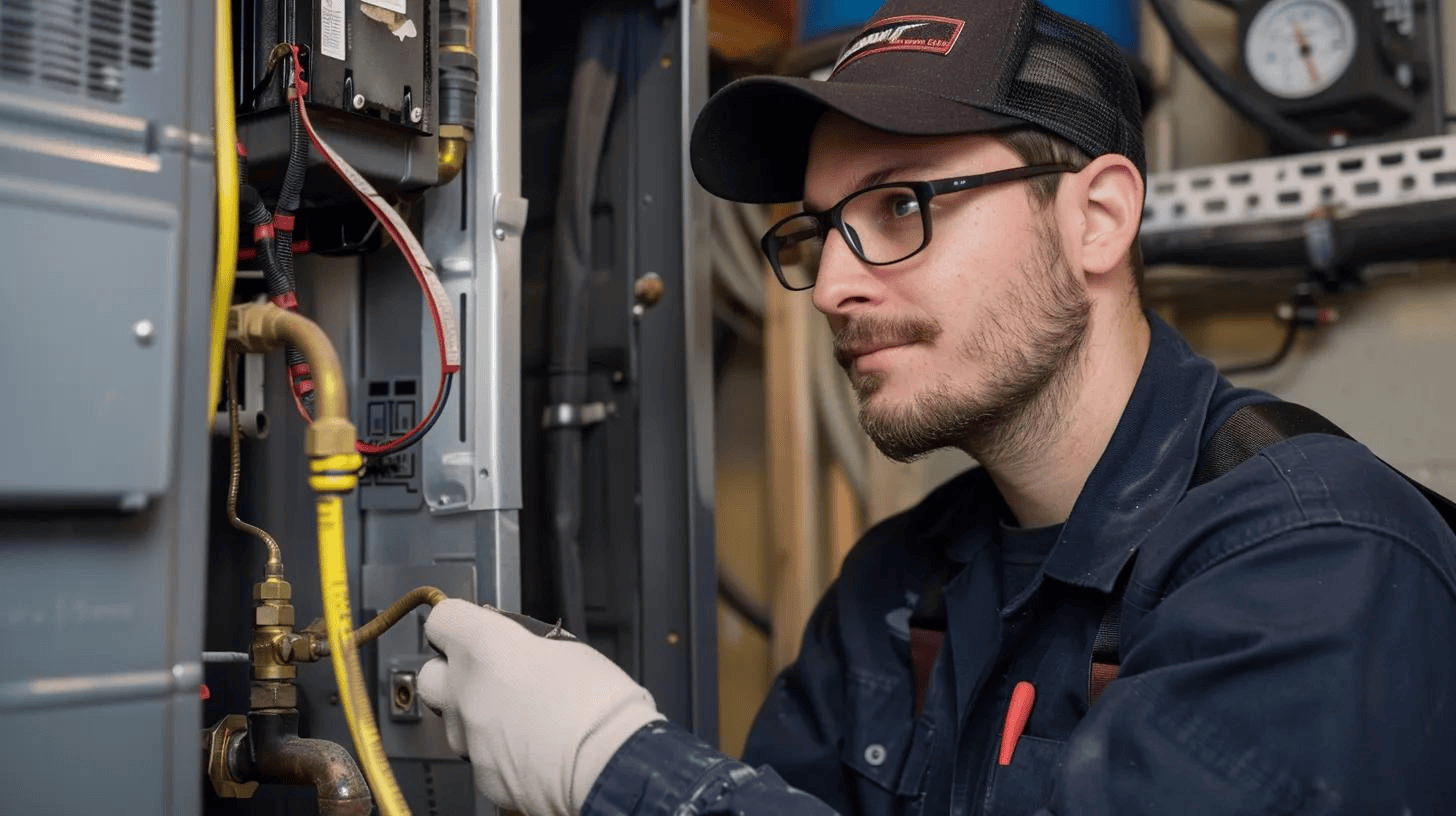
Ensure your furnace installation is correct with these essential tips. Improve HVAC efficiency and safety by following our expert guidance for optimal results.




Understanding when to replace your heating system is crucial for maintaining comfort and energy efficiency in your home Many homeowners face challenges in identifying the signs that indicate a need for a new heating system, which can lead to increased energy bills and discomfort during colder months This article will guide you through the common indicators of a failing heating system, the typical lifespan of heating systems, and the costs associated with furnace replacement Additionally, we will explore the benefits of energy-efficient heating systems and how regular maintenance can extend the life of your current system Being proactive about your heating system can save you money and prevent unexpected breakdowns during the coldest times of the year.
Recognizing the signs of a failing heating system is essential for timely intervention Common indicators include unusual noises, inconsistent heating, and rising energy bills These symptoms often suggest that your heating system is struggling to operate efficiently, which can lead to more significant issues if not addressed promptly Ignoring these signs can result in complete system failure, leaving your home without heat when you need it most Early detection allows for repairs or replacement before the problem escalates, ensuring your home remains warm and comfortable.
Several specific signs can indicate that your furnace needs replacement One of the most critical factors is the age of the furnace; if it is over 15-20 years old, it may be time to consider a replacement Additionally, if you find yourself frequently calling for repairs, this could signal that your furnace is nearing the end of its lifespan Other indicators include:
Paying attention to these signs can help you decide when it’s time to invest in a new furnace, ensuring your home stays warm and your energy costs remain manageable.
Heat pumps also exhibit specific signs that indicate replacement is necessary
Recognizing these warning signs early can help you avoid unexpected failures and ensure your home remains comfortable throughout the year.
Understanding the lifespan of your heating system can help you plan for a replacement before it becomes an emergency Most furnaces last between 15 to 20 years, while heat pumps generally have a lifespan of 10 to 15 years Planning ahead allows you to budget for a new system and avoid the inconvenience of sudden breakdowns during peak heating seasons.
The average lifespan of heating systems varies based on the type and maintenance practices Here’s a breakdown:
Regular maintenance can significantly extend the lifespan of your heating system, ensuring it operates efficiently for as long as possible Investing in quality equipment and professional installation also contributes to longer service life and better performance.
Several factors can influence how long your heating system lasts These include:
By understanding these factors, you can take steps to maximize the life of your heating system and avoid premature replacement.
Many homeowners may find financing options helpful when considering a furnace replacement Local government incentives and financing plans can make the transition to a new heating system more affordable Some options include:
Exploring these options can make upgrading your heating system more accessible and financially manageable.
Investing in an energy-efficient heating system can lead to significant long-term savings and environmental benefits These systems are designed to use less energy while providing the same level of comfort By reducing energy consumption, you not only lower your utility bills but also decrease your carbon footprint, contributing to a healthier planet.
As of 2023, new HVAC systems must meet higher efficiency standards, which can lead to lower energy bills and reduced environmental impact Local incentives may also be available to encourage homeowners to upgrade to these more efficient systems Staying informed about these standards and incentives can help you choose the best system for your home and budget.
Advancements in heating technology have led to the development of high-efficiency models that offer improved performance Features such as smart thermostats and variable-speed blowers allow for better temperature control and energy savings These innovations not only enhance comfort but also contribute to lower energy consumption Additionally, some systems include advanced diagnostics and remote monitoring, enabling quicker response to maintenance needs and further optimizing system operation.
Regular maintenance is essential for extending the life of your heating system By investing in routine care, you can prevent costly repairs and ensure your system operates efficiently Maintenance also helps maintain indoor air quality and system safety, providing peace of mind throughout the heating season.
To keep your heating system in optimal condition, consider the following maintenance tips:
If you notice any signs of trouble with your heating system, such as unusual noises or inconsistent heating, it’s essential to contact a professional Ronalds Heating and Cooling specializes in heating system installation, repair, and maintenance, ensuring your home remains comfortable year-round Their local expertise in Virginia Beach and Chesapeake makes them a trusted choice for all your HVAC needs Prompt professional service can help diagnose issues early, extend your system’s life, and improve overall performance.
Upgrading to a new heating system can provide numerous benefits, including improved energy efficiency, enhanced comfort, and lower utility bills Modern systems are designed to use less energy while delivering consistent heating throughout your home Additionally, new heating systems often come with advanced features such as smart thermostats, which allow for better temperature control and scheduling This not only contributes to a more comfortable living environment but also reduces your carbon footprint, making it a more environmentally friendly choice.
Improving the energy efficiency of your existing heating system can be achieved through several strategies Regular maintenance, such as changing filters and scheduling annual inspections, is crucial for optimal performance Additionally, sealing any leaks in ductwork and ensuring proper insulation in your home can prevent heat loss Using programmable thermostats to adjust temperatures based on your schedule can also help reduce energy consumption These steps can extend the life of your system while lowering your energy bills.
Homeowners looking to replace their heating systems have several financing options available Many local governments and utility companies offer low-interest loans specifically for energy-efficient upgrades
Choosing the right heating system for your home involves considering several factors, including the size of your space, your budget, and your energy efficiency goals It's essential to assess the heating needs of your home and consult with a professional to determine the best system type, whether it's a furnace, heat pump, or another option Additionally, consider the system's efficiency rating, installation costs, and available incentives A thorough evaluation will help ensure you select a system that meets your comfort and financial needs.
If your heating system breaks down, the first step is to check the thermostat settings and ensure that the system is receiving power If the issue persists, it’s crucial to contact a professional HVAC technician for diagnosis and repair Avoid attempting to fix complex issues yourself, as this can lead to further damage or safety hazards Regular maintenance can help prevent breakdowns, but if they occur, prompt professional service is essential to restore comfort in your home.
Yes, there are several seasonal maintenance tasks that can help keep your heating system running efficiently In the fall, before the heating season begins, check and replace air filters, clean the ductwork, and schedule a professional inspection During the winter, monitor your system for unusual noises or performance issues In the spring, consider scheduling a maintenance check to prepare for the cooling season Regular seasonal maintenance can prevent costly repairs and extend the life of your heating system.