.webp)






Blogs
Stay updated with our latest blog posts.



Ensure your heating installation is done right with our comprehensive guide. Learn trustworthy insights and tips for a seamless, professional experience.
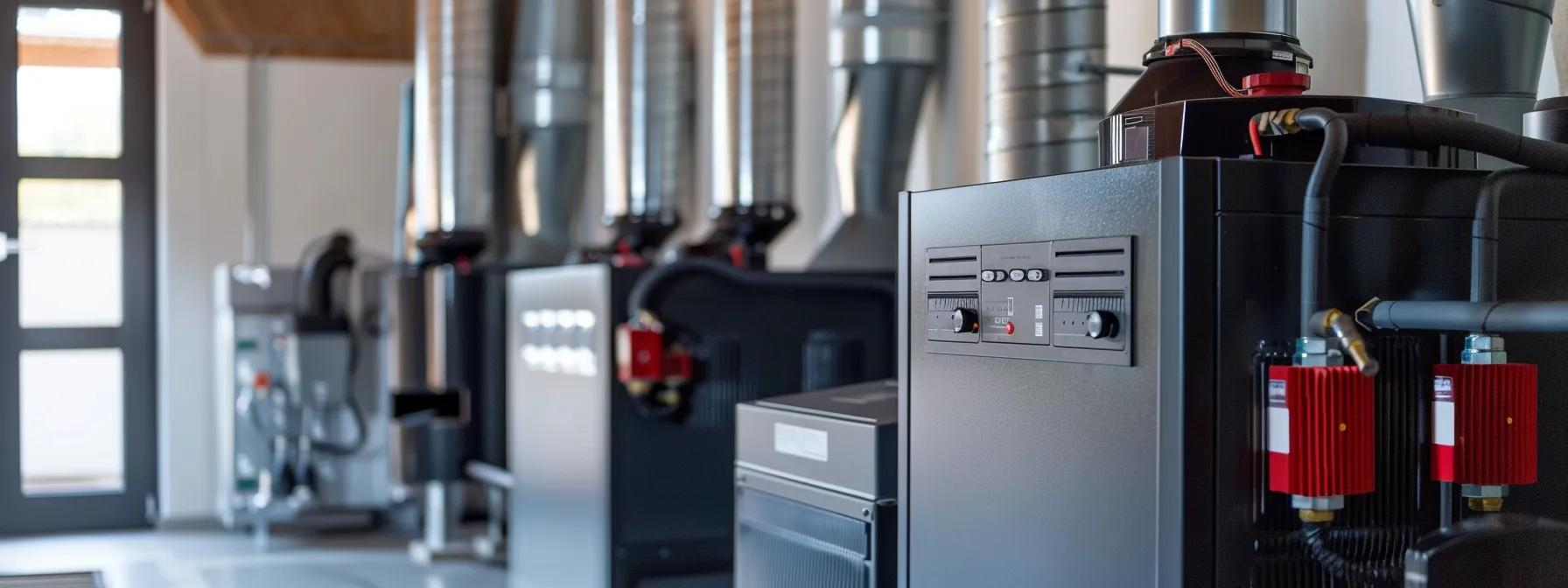




The professional heating installation process is a critical aspect of ensuring home comfort, especially in regions with extreme temperatures. This comprehensive guide will delve into the essential steps involved in heating system installation, helping homeowners understand what to expect and how to prepare. By exploring the intricacies of the installation process, readers will gain valuable insights into the various heating systems available, including furnaces, heat pumps, and ductless mini-splits. Many homeowners face challenges when selecting the right heating system or understanding the installation process, which can lead to confusion and potential errors. This article aims to clarify these aspects, providing a roadmap for successful heating system installation. We will cover the essential steps in the installation process, how to choose the right heating system, a comprehensive HVAC installation checklist, cost considerations, and best practices for post-installation care.
The professional heating system installation process involves several key steps that ensure a successful and efficient setup. Understanding these steps can help homeowners prepare adequately and set realistic expectations for the installation day. The primary steps include a pre-installation assessment, the actual installation day procedures, and post-installation checks to ensure everything operates smoothly. Each phase is meticulously planned and executed by certified technicians to guarantee optimal performance and safety of your new heating unit.
The pre-installation assessment is a crucial step in the heating installation process, laying the groundwork for a perfectly sized and efficient system. During this phase, a qualified technician conducts a thorough evaluation of the home to determine the appropriate heating system based on several critical factors. This includes performing a detailed load calculation (often using industry standards like Manual J) to accurately assess the home's heating requirements, considering its square footage, ceiling height, window types, and insulation levels (R-value). The technician will also meticulously inspect existing ductwork for leaks, proper sizing, and overall condition, as well as evaluate the electrical panel capacity and gas line pressure to ensure they can safely support the new system. Any necessary upgrades to these foundational elements are identified at this stage. This comprehensive evaluation ensures that the selected heating system will operate efficiently and effectively, providing optimal comfort and energy savings for the homeowner, preventing issues like short-cycling or inadequate heating.
Further research emphasizes the importance of a thorough pre-installation assessment, especially when considering innovative heating and cooling solutions like earth-air heat exchanger systems.
Pre-Installation Requirements for Home Heating & Cooling Systems
Among various usages of the fuels, a significant amount of energy is being used in heating and cooling for commercial, domestic houses, etc. Traditional air conditioning systems use a lot of energy and are particularly inefficient in tropical countries.Earth-air heat exchanger (EAHE) systems can help to reduce the air conditioning demand while also promoting the development of renewable energy. This paper focuses on a review of previous research on this notion for system installation done by earlier researchers. Researchers working on efficient heating and cooling for human comfort will benefit from this review article.
A brief review of pre-installation requirements of earth-air heat exchanger system for space heating and cooling, S Noman, 2022
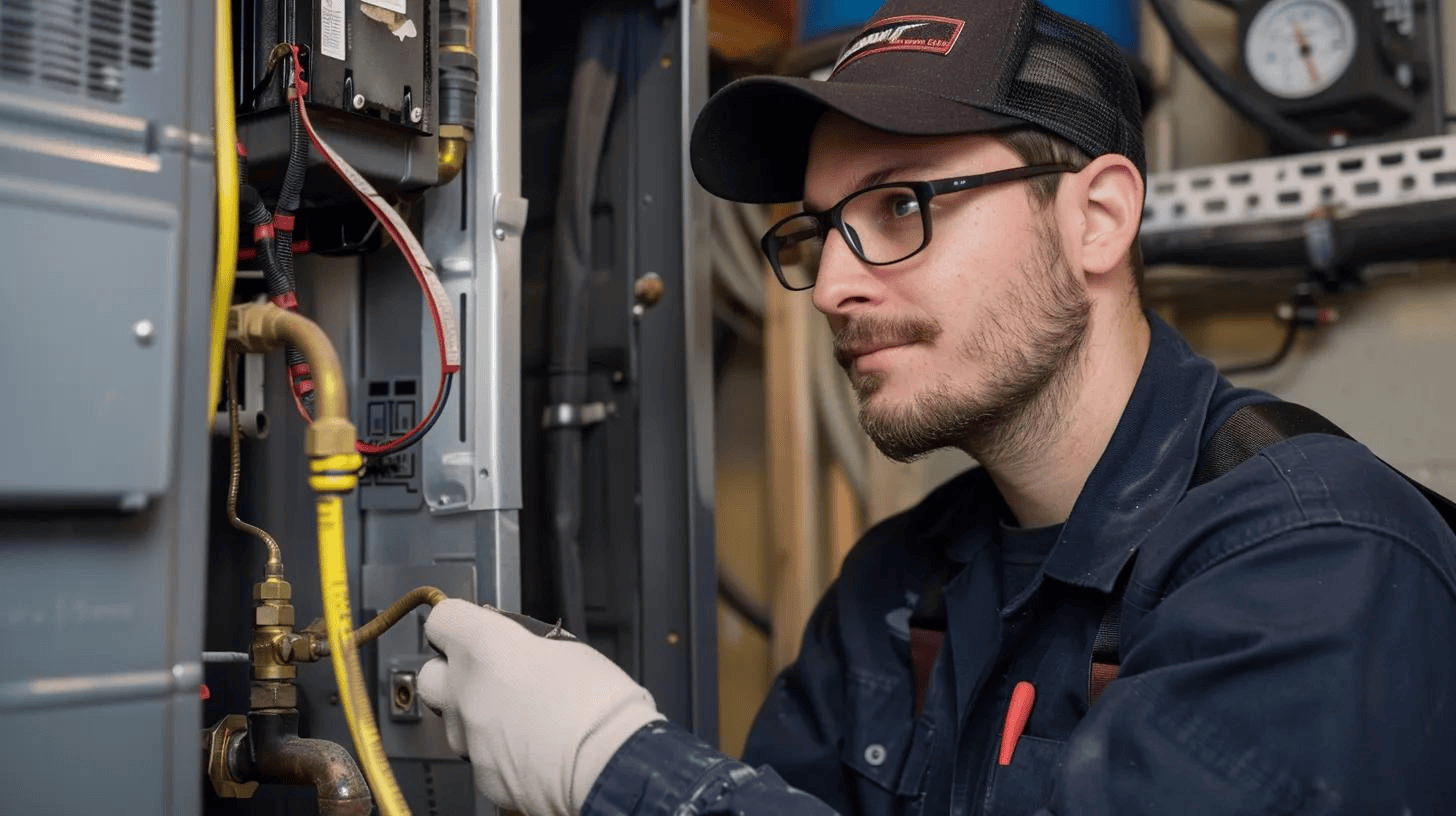
On the installation day, the process begins with the careful and safe removal of any old heating units. This involves disconnecting fuel lines (gas or oil), electrical connections, and existing ductwork, followed by the responsible disposal of the old equipment. Once the area is clear, the new furnace or heat pump is meticulously installed according to the manufacturer's specifications and local building codes. For furnaces, this includes setting the unit on a level pad, connecting new gas lines (with leak checks), electrical wiring, and ensuring proper flue pipe connection for safe exhaust. For heat pumps, both the indoor air handler and outdoor condenser unit are positioned, refrigerant lines are carefully connected and sealed, and electrical wiring is run. Ductwork is then connected and sealed to prevent air leaks, and proper ventilation is ensured. After the physical installation, the technician conducts rigorous testing and calibration. This involves checking for proper airflow, verifying refrigerant charge (for heat pumps), performing combustion analysis (for gas furnaces), testing all safety limits, and calibrating the thermostat to ensure the system operates correctly, efficiently, and safely, delivering the desired level of comfort throughout the home.
Choosing the right heating system is essential for maximizing energy efficiency and comfort in your home. Homeowners must consider various factors, including the local climate, home size, and specific heating needs. Each type of heating system has its advantages and considerations, making it crucial to evaluate them carefully to ensure the best long-term investment for your property.
In Yuma, the selection of a furnace is influenced by several critical factors, primarily focusing on energy efficiency, appropriate sizing, and fuel availability. Homeowners should prioritize furnaces with high Annual Fuel Utilization Efficiency (AFUE) ratings, typically 90% or higher, as this indicates that 90 cents of every dollar spent on fuel is converted into usable heat, leading to significantly lower energy costs. The size of the furnace, measured in British Thermal Units (BTUs), must precisely match the heating requirements of the home to avoid inefficiencies; an undersized furnace will struggle to heat, while an oversized one will short-cycle, both wasting energy and reducing comfort. Fuel availability also plays a significant role: natural gas is often the most cost-effective option where available, while propane or electric furnaces might be necessary for homes without natural gas access. Additionally, considering features like single-stage, two-stage, or modulating burners can impact comfort and efficiency, with modulating furnaces offering the most precise temperature control and consistent heating.
Heat pumps offer a compelling blend of energy efficiency and versatility, making them an increasingly attractive option for many homeowners, especially in climates like Yuma's where both heating and cooling are needed. Their primary benefit lies in their ability to transfer heat rather than generate it, leading to significantly lower operating costs and a reduced carbon footprint compared to traditional furnaces. They provide both heating in cooler months and cooling in warmer months, offering a year-round climate control solution. However, installation considerations are crucial: proper sizing is paramount to ensure efficient operation, and adequate space is required for the outdoor condenser unit, which should be placed in an area with good airflow and minimal noise disruption. Existing ductwork may need modifications or sealing to optimize airflow, and electrical service upgrades might be necessary to accommodate the heat pump's power requirements. While the initial investment for a heat pump can be higher than a furnace, the long-term savings on utility bills and potential eligibility for energy efficiency rebates often make them a financially sound choice.
A comprehensive HVAC installation checklist is essential for ensuring that all necessary steps are followed during the installation process. This checklist helps homeowners prepare their homes and ensures that technicians have everything they need for a successful installation, minimizing delays and ensuring a smooth, efficient transition to a new heating system.
Preparing your home for a heating system installation involves several key steps to ensure a smooth and efficient process for the technicians. Homeowners should clear the installation area of any obstacles, furniture, or personal belongings, ensuring that technicians have easy and safe access to the space where the unit will be installed, as well as to the electrical panel, gas lines, and existing ductwork. It is also advisable to protect floors and nearby furniture with drop cloths. Securing pets in a separate area can prevent distractions and ensure their safety. Before installation day, confirm that all necessary permits have been acquired by the HVAC company. Homeowners should also communicate any specific concerns, preferences, or requirements, such as thermostat placement or noise considerations, to the installation team in advance to ensure a tailored and satisfactory outcome.
Safety protocols during installation are paramount to protect both the technicians and the homeowners, ensuring a secure and compliant installation. Technicians adhere to strict guidelines, including wearing appropriate personal protective equipment (PPE) such as gloves, eye protection, and hard hats, especially when working in attics or crawl spaces. Adequate ventilation is maintained throughout the process, particularly when working with refrigerants, soldering, or gas lines, to prevent the buildup of fumes. Lockout/tagout procedures are strictly followed for electrical systems to prevent accidental power activation. Technicians conduct thorough safety checks on all equipment before, during, and after operation, including leak detection for gas and refrigerant lines, carbon monoxide testing for gas furnaces, and verifying proper electrical grounding. All work is performed in strict compliance with local building codes, manufacturer specifications, and industry safety standards, ensuring the heating system operates safely and efficiently for years to come.
The cost of new heater installation can vary significantly based on several factors, including the type of system, installation complexity, and local market rates. Understanding these cost components can help homeowners budget effectively for their heating system installation and make informed financial decisions.
Several key factors significantly influence heating installation expenses, making it crucial for homeowners to understand the breakdown of costs. The type of heating system selected is a primary driver: a standard furnace replacement will typically be less expensive than a high-efficiency heat pump or a multi-zone ductless mini-split system, which involves more complex components and installation. The complexity of the installation also plays a major role; a simple like-for-like replacement in an easily accessible location will cost less than a new installation requiring extensive ductwork fabrication, electrical panel upgrades, or new gas line routing. Brand reputation and warranty offerings can also affect the price, with premium brands often commanding higher costs but potentially offering better longevity and support. Finally, local market rates, labor costs, and the need for additional features like smart thermostats, zoning controls, or air purification systems will all contribute to the final price of installation.
Homeowners have several financing options available for their heating system installation, making it more manageable to afford high-quality heating solutions. Many reputable HVAC companies offer in-house financing plans, often featuring competitive interest rates or deferred payment options for qualified customers, allowing homeowners to pay for their systems over time. Beyond company-specific plans, homeowners can explore traditional financing avenues such as personal loans from banks or credit unions, or leverage home equity through a home equity loan or line of credit (HELOC), which often come with lower interest rates. Additionally, it is essential to investigate energy efficiency rebates and incentives; federal tax credits, state programs, and local utility company rebates are frequently available for installing high-efficiency heating systems, which can significantly offset the upfront installation costs. Comparing interest rates, terms, and eligibility for various programs is crucial to finding the best financing solution for individual needs and budget.
Post-installation testing and maintenance are crucial for ensuring the longevity and efficiency of a heating system. Following best practices can help homeowners maximize their investment and maintain optimal performance, ensuring consistent comfort and lower operating costs for years to come.
After installation, technicians perform thorough testing and calibration of the heating system to ensure it operates correctly, efficiently, and safely. This meticulous process includes several key checks: verifying proper airflow through all vents using specialized tools, measuring the temperature rise or fall across the coil to confirm heating/cooling capacity, and meticulously checking the thermostat functionality to ensure accurate temperature control and proper cycling. For heat pumps, technicians will verify the refrigerant charge to ensure optimal performance. For furnaces, a combustion analysis is performed to check for proper fuel-to-air mixture and ensure no carbon monoxide leaks. All electrical connections are tightened, and safety features, such as limit switches and flame sensors, are tested for proper operation. Calibration may involve fine-tuning settings to optimize performance based on the specific needs and characteristics of the home, ensuring maximum efficiency and comfort from day one.
Regular and proactive maintenance is essential for extending the lifespan of a heating system, ensuring its efficiency, and preventing costly breakdowns. Homeowners should schedule annual inspections and tune-ups with qualified technicians, ideally before the heating season begins. These professional tune-ups typically include cleaning coils, lubricating moving parts, checking electrical components, inspecting the heat exchanger for cracks, and verifying refrigerant levels. Beyond professional service, homeowners can perform simple tasks like changing air filters regularly (every 1-3 months, depending on usage and filter type) to maintain good airflow and indoor air quality. Keeping all supply and return vents clear of obstructions, ensuring the outdoor unit (for heat pumps) is free of debris, and listening for any unusual noises or observing inconsistent heating can help identify potential issues early. Considering a comprehensive maintenance plan with an HVAC provider can offer peace of mind, often including priority service and discounts on repairs, further safeguarding your investment.
Understanding the professional heating installation process empowers homeowners to make informed decisions, ensuring optimal comfort and energy efficiency. By following the outlined steps and considering key factors, you can select the right heating system tailored to your needs. Regular maintenance and proper installation practices will enhance the longevity and performance of your heating solution. Explore our expert services today to ensure a seamless installation experience.